A fever in children is a sign that the body is fighting an infection or inflammation, and it is often a symptom rather than a disease in itself.
However, a persistent or very high fever may indicate a problem that requires prompt medical evaluation to ensure the child's well-being.
What is a fever in children?
A fever is an increase in a child's body temperature above 38°C (100.4°F) due to an infection or inflammation. It is a symptom that indicates the immune system is fighting a germ.
Causes of fever in children
Fever can be caused by several factors, including:
- Viral infections such as colds and the flu.
- Bacterial infections.
- Teething in infants.
- Routine vaccinations.
Symptoms of fever
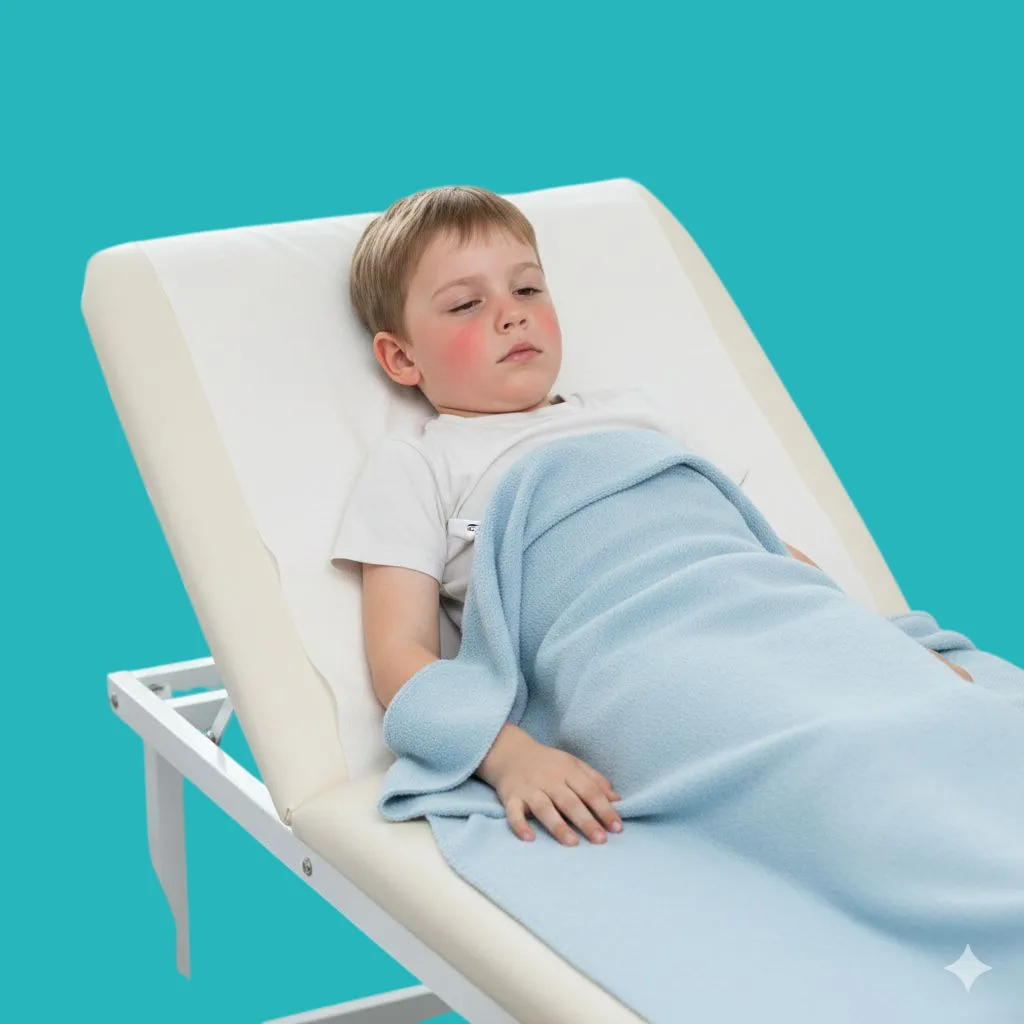
Symptoms that may accompany a fever include:
- Face redness and body heat.
- Lack of activity and drowsiness.
- Loss of appetite.
- Shivering or excessive sweating.
Methods of measuring a child's temperature
Various methods can be used, such as:
- A digital thermometer under the arm.
- An ear thermometer. Oral thermometer for older children.
- Take the temperature every 4 hours for monitoring.
Treating Fever in Children at Home
Fever can be reduced in simple and safe ways, such as:
- Reducing the temperature with lukewarm compresses on the forehead and underarms.
- Giving the child plenty of fluids to replace lost fluids.
- Reducing clothing and keeping the room well-ventilated.
- Using a fever reducer appropriate for the child's age after consulting a doctor.
When to See a Doctor
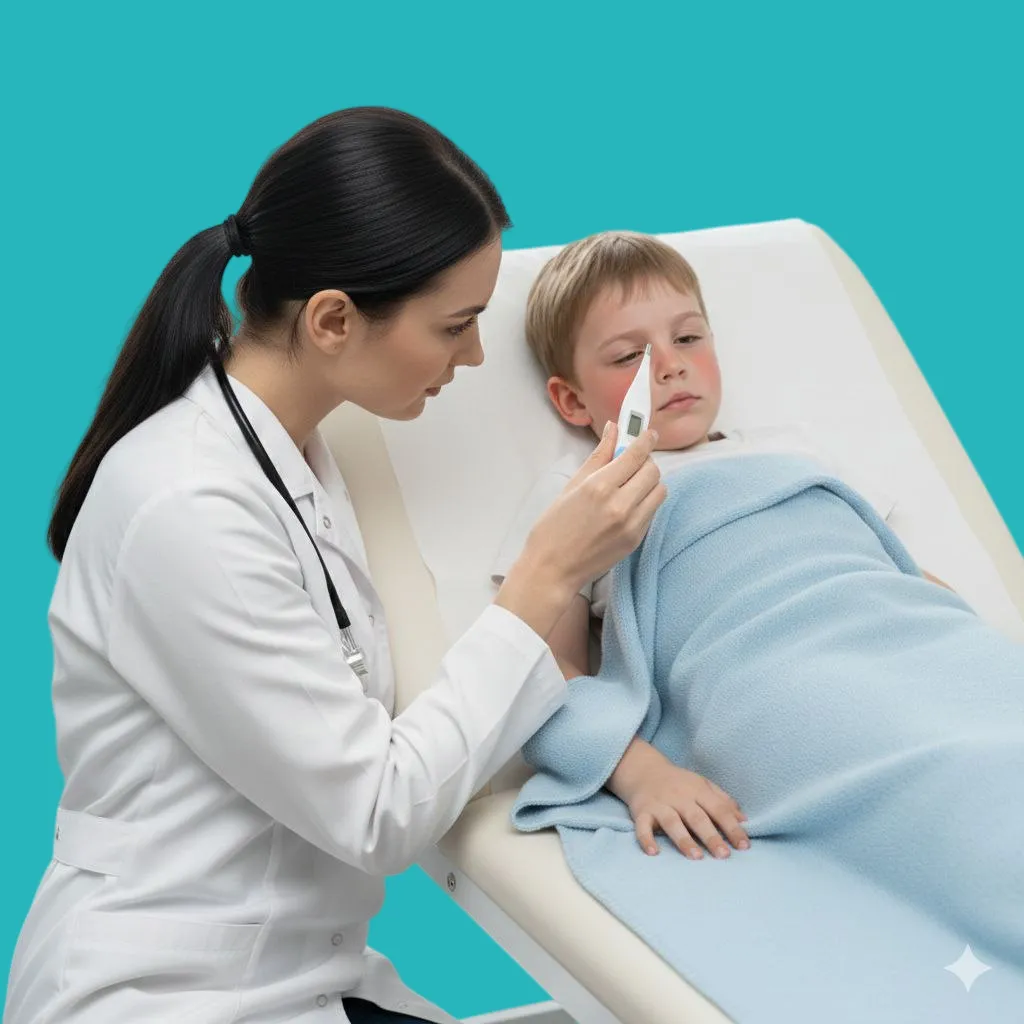
In some cases, a fever requires immediate medical attention, including:
- A fever lasting more than 48 hours.
- Difficulty breathing or seizures.
- Loss of consciousness or severe dehydration.
- A temperature exceeding 39.5°C (100.4°F).
Tips for Preventing Fever
The chances of getting a fever can be reduced by following these guidelines:
- Wash your hands frequently.
- Avoid contact with infected individuals.
- Keep up to vaccination schedules.
- Boost your child's immunity with a healthy diet.
Frequently Asked Questions
Are lukewarm compresses helpful in reducing fever in children?
Yes, it helps cool the body gradually without harm.
Is a fever in children dangerous?
It can be dangerous if it is high, persistent, or accompanied by seizures or lethargy, and a doctor should be consulted immediately.
Does teething cause fever in children?
It may cause a slight increase in temperature, but a high fever is often due to an infection.
Article Summary
Fever in children is a common symptom that can be easily managed at home using cool compresses, fluids, and rest, along with choosing a fever reducer appropriate for the child's age.
Although it is often not dangerous, monitoring symptoms is essential to determine the need for a doctor's visit and to ensure the child's well-being.